


Quotes of Note is a series wherein I take a singular quote from a book, fiction or non-fiction, and write my thoughts on that quote. These thoughts can amount to author profiles, literary analysis, or personal anecdotes. In short: they can be anything.
Every three posts of Quotes of Note are free to read; the other two are behind a paywall. If you’d like to read more about this series, please click this link.
-Sam.
The Flowers Of Buffoonery - Osamu Dazai (1935)
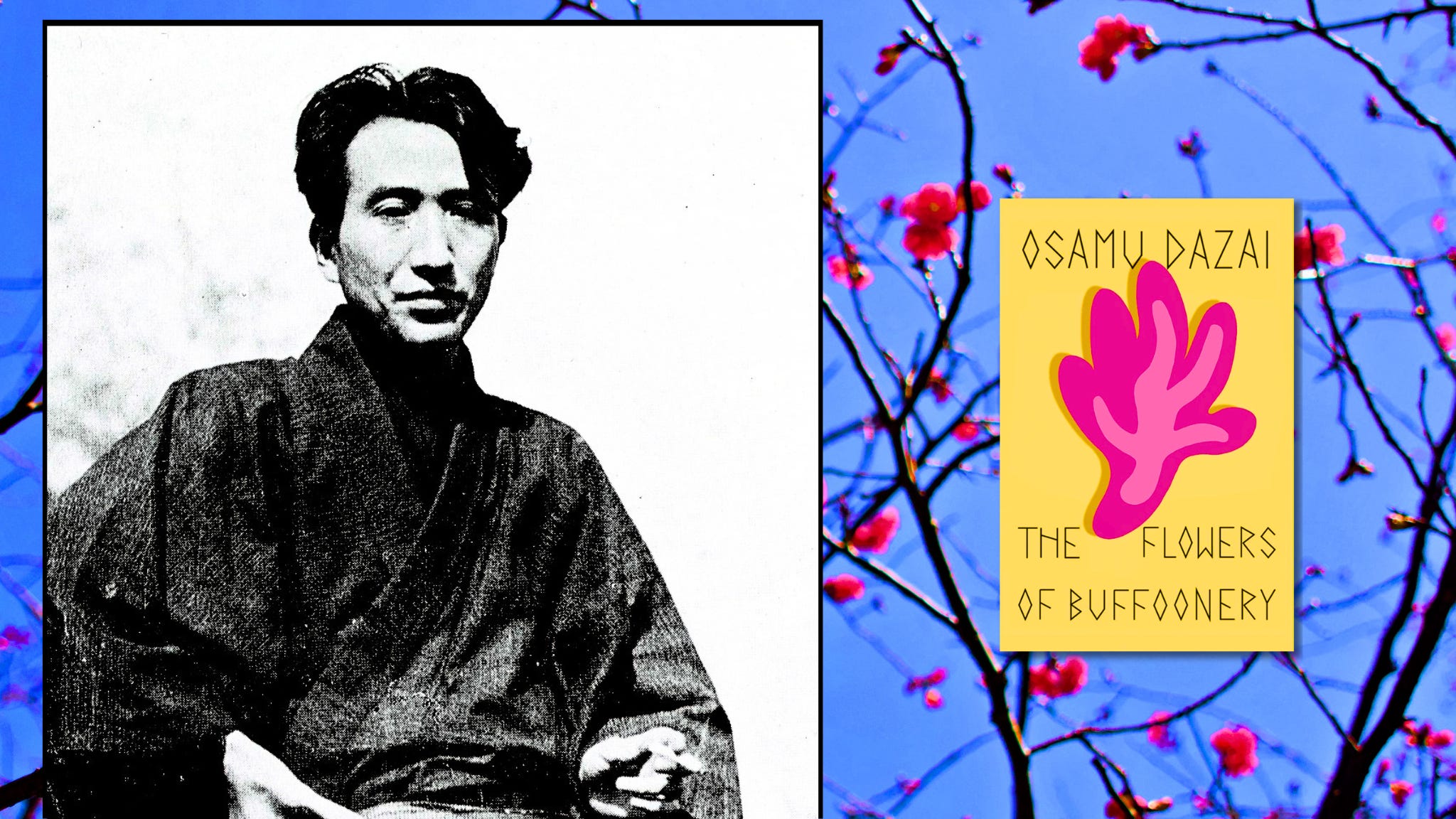
“Inside the hearts of these young men, you’ll find nothing but chaos, that and senseless obstinacy. Or maybe you could sum all of it up as self-importance. And a rarefied self-importance at that. One that shivers and quakes in the slightest breeze. No sooner had they suffered an insult than they wished that they were dead. It was only natural for Yozo to vacillate when asked about the reasoning behind his suicide - it was everything to him.”
Osamu Dazai’s most famous work, No Longer Human, published in 1948, takes the first-place position when discussing works of literature that disturb the comfortable and comfort the disturbed.
In a tragic alignment of art and life, on the 19th June 1948, Dazai, aged thirty-eight, threw himself into the Tamagawa Canal, a form of suicide frequently written about in No Longer Human (the main character Yozo Oba attempts suicide in the same manner) and a form Dazai had attempted four times prior to it working. Retrospectively, No Longer Human seems an obvious cry-for-help; it is a work that accurately told Dazai’s own life, his own internal struggles and, evidently, his own death. Merit and mythology (more the former than the latter) have thus since combined to make No Longer Human one of the most popular Japanese novels ever published. But despite this fanfare, people rarely have read (or even heard of!) No Longer Human’s prequel, published twelve years prior in 1936: The Flowers of Buffoonery.
I read The Flowers of Buffoonery sometime around early 2025 whilst working on my YouTube video No Longer Human: The Loneliest Book I’ve Ever Read. I planned to incorporate The Flowers of Buffoonery into the video but never did, and so, for the most part, the book largely fell to the wayside of my consciousness. Besides one aspect: the themes found in the quote above. These themes largely fall into insecurity, immaturity, and friendships. My intrigue stemmed from noticing how each component is responsible for the next in either strengthening (friendships) or reversing those themes (immaturity into maturity, or insecurity into security). To elaborate on these themes, I first need to give a brief synopsis of the book.
As previously mentioned, The Flowers of Buffoonery is a prequel to No Longer Human. The entire story of The Flowers of Buffoonery takes place in a sanatorium following Yozo Oba’s suicide attempt and consists mainly of scenes between Yozo Oba and his friends interspliced with comments from Dazai himself, who both berates his own writing as well as the characters in his novel. It’s hilarious - surprisingly so, considering the story’s content and the following darkness of the book’s follow-up, No Longer Human.
Humour in The Flowers of Buffoonery plays two roles: redirecting the reader from the dark subject matter and highlighting the methods used by Yozo Oba’s friends in incorporating that same redirection in their visits to Yozo Oba in the sanatorium. The nucleus of The Flowers of Buffoonery is Yozo Oba’s suicide attempt, yet most of the story is spent skirting the edges of this attempt, of batting away the problem that needs to be addressed: Yozo Oba’s state of mind and reasoning behind his attempt.